

Planning products:
Understanding the market
Market research and planning
Doing market research is an important step in developing a product. It helps you understand your customers, find out what people want to buy, and work out the best price.
Think about where you will sell your product. This might be at galleries, tourist shops, art markets, online, or in retail stores.
Look at other similar products and prices to see how yours can stand out. Think about how your product will be sold—directly to the customer, through a retailer, or online—and how these choices affect your pricing and design.
Most of all, think about what makes your product special, and what story it tells.
Things to consider
- Who is the product for?
- Is there demand for it?
- Who else is selling something similar?
- What makes your art centre or artists different?
- Where will the product be sold?
- What price range are you aiming for?
- Is it for everyday buyers or more high-end customers?
- What kind of product are you planning?
- Who will you work with to design and develop it?
- Is it a seasonal item, like a summer product?
- How does that affect your timeline?
- Who will make the product and where?
- Do you have a manufacturing partner?
- How will you promote and sell it?
Trends
Understanding trends can help predict what customers want and what designs, colours and materials might become popular.
Right now, there’s a growing interest in Aboriginal and Torres Strait Islander-made art and products – especially those that are authentic, ethical and made with care.
Research shows that more consumers now prefer natural and organic products that support health and sustainability. People also want businesses to treat employees and communities well, with younger generations, especially Gen Z in Australia, willing to pay more for ethical and environmentally friendly products. Many customers look for brands that promote fairness and support marginalised communities.
Another key trend is the rise of eCommerce, which makes shopping more convenient and helps art centres reach more customers across Australia. Warehousing options allow businesses to store products centrally and distribute them efficiently, reducing costs linked to remote freight. Large-scale changes, called mega-trends—like climate change and resource shortages—also influence product development, encouraging new ways of production. Keeping up with these shifts can help art centres stay relevant and meet customer expectations.
Looking at competitors
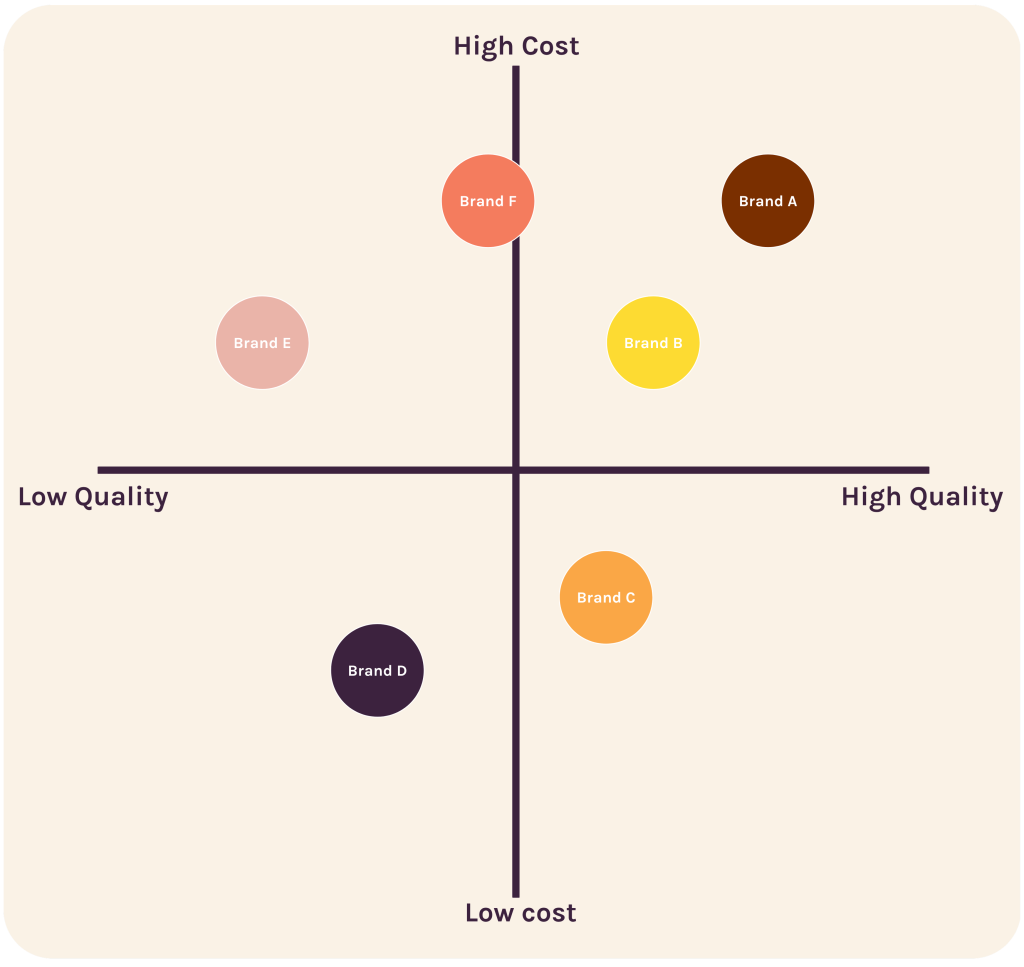
Perceptual mapping helps businesses understand how customers see their product compared to others. It can show what people like, what they prefer and how products compare in terms of features like price or quality.
A perceptual map is a simple chart that visually places products based on certain characteristics, helping businesses find opportunities to improve or stand out. By looking at this map, businesses can see where their product fits in and how they might adjust it to better suit customers’ needs.
Pricing to sell
Getting the price right is important. You need to know what your customers can afford and what they’re willing to pay. Also look at how similar products are priced to make sure yours fits well in the market.
Products priced lower may sell in higher volumes, while higher-priced products may sell in smaller quantities. Pricing should reflect what the product offers—like strong designs, high-quality materials or ethical practices. Many people are happy to pay more for products that support local communities, protect the environment, or follow fair work practices.
Distribution model
Place
It’s important to find the right place to sell the product. For instance, a product won’t sell in a place where the target customer does not visit. This applies to both online and retail environments.
Questions to consider include:
- Where does your target customer shop?
- How will you best reach this market?
- Will you use a website, social media, a physical shop, or a mix of these?
- Will you sell direct to customers, or through stores or wholesale distributors?
Distribution channels
Getting a product to market means making sure it reaches customers. This includes things like packaging, transport and delivery. Manufacturers or producers often use distributors to help with this process. Distributors store the products and move them to different places, such as shops or online sellers, so they can be sold to customers.
Ways to Distribute Your Product
Online – This can include a website, an art centre website, social media, or third-party marketplaces.
Wholesale – Selling product in larger quantities to retailers, who then sell to customers. Choose retailers that strongly align with your product, brand and customers.
Direct Retail – Selling the product in person through an art centre, at markets, or via selected retail partners that align with your brand and target audience.